This is a guest blog from some real experts in the area racing and fun, StrideMob of Colorado. If you are out west, contact them for anything from race timing to complete race management!

You decided to put on a race to bring awareness to your cause. You want to put on an event to raise money for something that is near and dear to your heart. The only problem is, everyone else has the same idea. There are so many races. What makes yours worth attending? While the most important thing to you is your cause, you have to remember who your audience is first. The RACER. There is so much that goes into planning a race. The permits, the insurance, the course, the timing, the bibs, the swag, the food, and maybe even beer. When you begin to make choices, keep your racer in mind. Your goal for the race, no matter how big or small, is for racers to leave your event with a positive feeling. The racer experience should always be at the front of your mind. Their experience will enable you to have a year two.
You can spend a lot of money on tshirts and medals, but we’re talking about a different type of racer experience that goes beyond swag. How does your race FEEL to a racer? Day of todos: Be prepared with extra volunteers. Make sure you are available at your event and not tied up in details. Be the person welcoming racers. When packet pick up begins, so should the high fives. Thank your athletes for joining you. Share the why behind your event if someone has time. Make them feel a part of your race. If you are not the high energy type- assign this position to a person with a contagious personality. Think of them as the Master of Racer Experience.
Music is key. Make sure your choices are upbeat on race day. This sets the tone. It’s early, people woke up in order to spend their FREE time with you. Listen as people talk. Encourage the ones saying they plan to walk. Talk to others about their goal time. SMILE! High five the kids that got dragged out of their beds for this endeavor. Do you have an MC? Make sure to pick one who can talk easily and upbeat, but with a BOOM. Make sure they thank the vendors, any partners, and the racers for coming out.
You can spend a lot of money on tshirts and medals, but we’re talking about a different type of racer experience that goes beyond swag. How does your race FEEL to a racer? Day of todos: Be prepared with extra volunteers. Make sure you are available at your event and not tied up in details. Be the person welcoming racers. When packet pick up begins, so should the high fives. Thank your athletes for joining you. Share the why behind your event if someone has time. Make them feel a part of your race. If you are not the high energy type- assign this position to a person with a contagious personality. Think of them as the Master of Racer Experience.
Music is key. Make sure your choices are upbeat on race day. This sets the tone. It’s early, people woke up in order to spend their FREE time with you. Listen as people talk. Encourage the ones saying they plan to walk. Talk to others about their goal time. SMILE! High five the kids that got dragged out of their beds for this endeavor. Do you have an MC? Make sure to pick one who can talk easily and upbeat, but with a BOOM. Make sure they thank the vendors, any partners, and the racers for coming out.
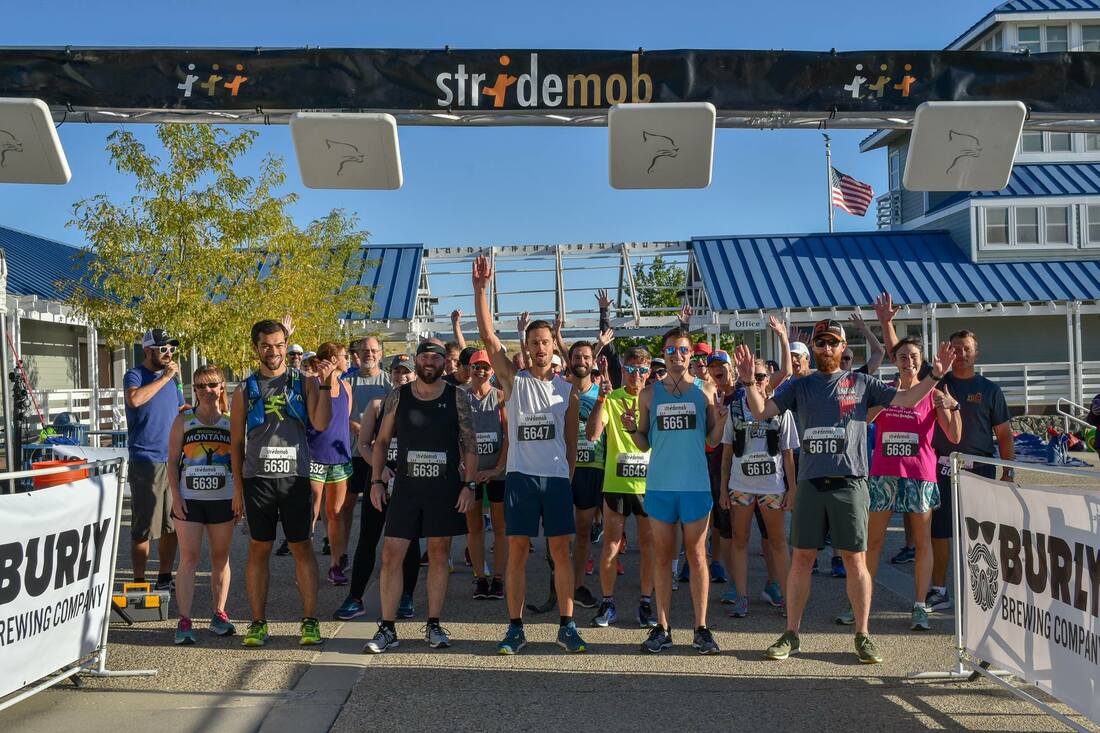
You and your volunteers get to create a feeling of family, of closeness. This does not change if you have 25 racers or 3000. As the minutes tick away and the racing field gathers near the start line, feel free to steal our ideas. Five minutes before the start, we ask all runners to high five each other. We don't know if they showed up alone or with a team of friends. This helps loosen the feel and makes a few people laugh. Once people are a little more loose, we do what we like to call the Family Picture. This is your marketing picture for year two. Do a serious one and a funny one- hands in the air! Then, while you have their attention, share a quote or a one or two sentence explanation about why you’re there. This is when people can connect to your cause and think about it while running. Start the race ON TIME! This matters. Everyone is now ready to pound the pavement and share the joy, pain, and accomplishment of your race.
This should go without saying, but OVER mark your course. This matters to racers. Mark every turn, any possible area of confusion. You will have kids, new racers, and the direction challenged. Prepare for them! A poorly marked course will really hurt the feeling of your event. Be sure you have coached your volunteers to actively CHEER for your racers.
It’s time for the gun to go off and for the feet to get moving! Here we go!! Tick tock.. Oh man.. 14 minutes..maybe 17 if you’re at altitude. Or 21 minutes if you have a normal field, but any second the first runner should be coming back.. No matter how many races you produce, this is the most stressful part of the entire WEEK!!!! OMG DID WE MARK THE COURSE ENOUGH??????
YES! Here comes the first runner!!!! Bells are being rung, high fives are being given.. Again. The calm sets in for you… its all butter from here! Turn the music a bit louder, grab a beer, and yes, it may only be 10am but who cares. Have your volunteers cheer and high five everyone. Run out to your final finisher and cross that line with them. This is what its about…..Racer experience. Good luck on planning for year two.
This should go without saying, but OVER mark your course. This matters to racers. Mark every turn, any possible area of confusion. You will have kids, new racers, and the direction challenged. Prepare for them! A poorly marked course will really hurt the feeling of your event. Be sure you have coached your volunteers to actively CHEER for your racers.
It’s time for the gun to go off and for the feet to get moving! Here we go!! Tick tock.. Oh man.. 14 minutes..maybe 17 if you’re at altitude. Or 21 minutes if you have a normal field, but any second the first runner should be coming back.. No matter how many races you produce, this is the most stressful part of the entire WEEK!!!! OMG DID WE MARK THE COURSE ENOUGH??????
YES! Here comes the first runner!!!! Bells are being rung, high fives are being given.. Again. The calm sets in for you… its all butter from here! Turn the music a bit louder, grab a beer, and yes, it may only be 10am but who cares. Have your volunteers cheer and high five everyone. Run out to your final finisher and cross that line with them. This is what its about…..Racer experience. Good luck on planning for year two.